How to Reduce Food Waste at Home (And Save Hundreds of Dollars a Year)
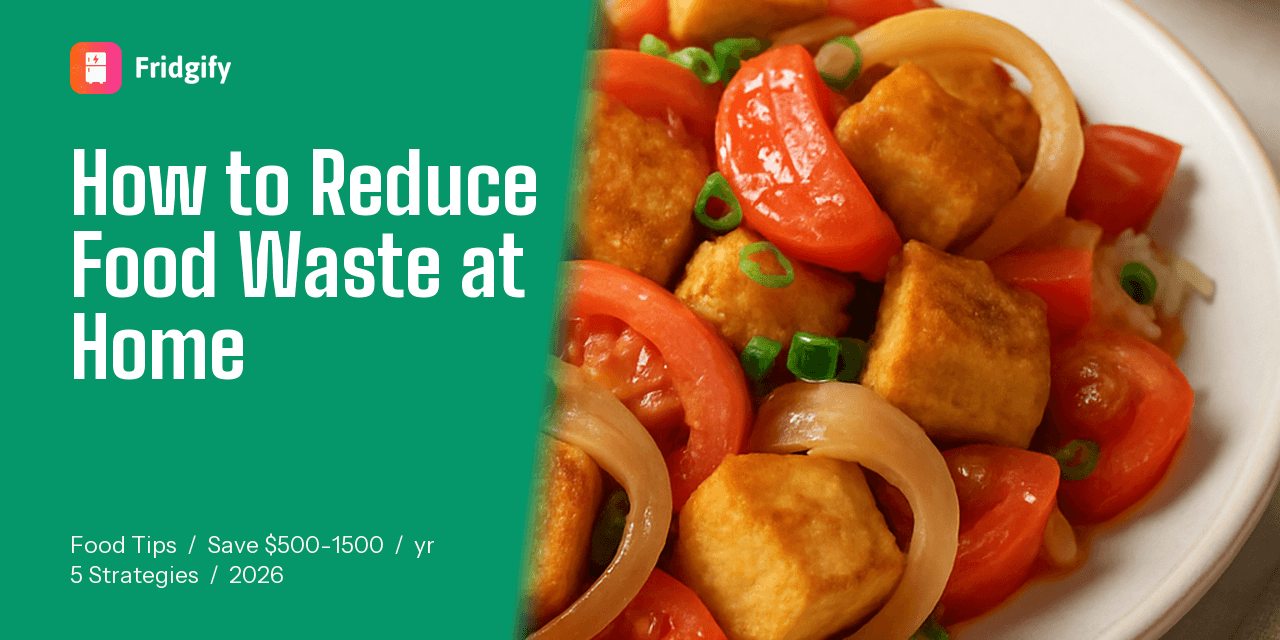
How to Reduce Food Waste at Home (And Save Hundreds of Dollars a Year)
You open the fridge with good intentions and there it is — wilting spinach, half a block of cheese, three lonely carrots, leftover rice from Tuesday. You order takeout, and two days later most of it goes in the bin. The good news: it's completely fixable, and the savings are real.
How can I reduce food waste at home?
The fastest way to reduce food waste at home is a weekly fridge audit before grocery shopping — spend 5 minutes identifying what you already have, then plan or shop around it. Combined with proper storage, smaller shopping trips, and using AI tools to suggest recipes from existing ingredients, the average household can cut food waste by 50–70% in 30 days.
Most food waste comes from one of three failures: buying too much, forgetting what you have, or not knowing how to use ingredients before they spoil. Each failure has a simple fix.
How much food does the average household waste per year?
The average American household wastes roughly $1,500 worth of food every year, according to USDA estimates. Globally, about one-third of all food produced for human consumption is lost or wasted between farm and table. In the U.S., that adds up to roughly 30–40% of the food supply ending up uneaten.
The bulk of household waste isn't spoiled meat or dairy — it's vegetables, leftovers, and prepared foods that were never finished. Bagged salads, fresh herbs, and bread are the top offenders.
How much money can I save by reducing food waste?
A household that cuts food waste by 50% typically saves $500–$900 per year on groceries. Cutting waste by 75% can save $1,000+. This doesn't require eating less — it just means more of what you buy actually gets eaten. Combined with reduced takeout (because you have a plan for what's in the fridge), total savings often exceed $1,500 annually.
These numbers compound over time. Five years of disciplined waste reduction can recover the cost of a moderate kitchen renovation or a family vacation.
What are the top strategies to stop wasting food?
The five highest-impact strategies are: 1) Weekly fridge audits before shopping, 2) First-In-First-Out (FIFO) storage in clear containers, 3) Meal planning based on what's already in the fridge, 4) Freezing aggressively when ingredients near expiry, and 5) Using AI recipe tools to find dishes for whatever you have. Most households can implement all five in under a week.
| Strategy | Time investment | Annual savings |
|---|---|---|
| Weekly fridge audit | 5 min/week | $200–400 |
| FIFO storage | One-time setup | $100–200 |
| Meal planning | 15 min/week | $300–500 |
| Aggressive freezing | 10 min/week | $200–300 |
| AI recipe app | <1 min per use | $300–500 |
How should I organize my fridge to reduce waste?
Use the "eat me first" zone — designate one front shelf or bin for ingredients near expiry. Store like with like (all dairy together, all produce in the crisper), use clear airtight containers so you can see what's inside, and rotate older items forward when restocking. Keep a small whiteboard on the door listing ingredients that need to be used within 3 days.
The single highest-impact change: stop using opaque containers. Most "lost" leftovers in fridges are simply forgotten because you can't see them. Glass containers cost more upfront but pay for themselves within a year by surfacing forgotten food before it spoils.
What's the best way to use up almost-expired ingredients?
The fastest path is an AI recipe app — input your near-expiry ingredients and get a recipe in under 10 seconds. For manual cooks, three universal techniques work for almost anything: soups (everything goes in the pot), frittatas (everything goes in the eggs), and fried rice/noodles (everything goes in the wok). These three formats absorb random ingredients elegantly without needing a specific recipe.
For specific ingredient categories:
- Wilting greens — sauté with garlic, blend into soup, or fold into eggs
- Aging vegetables — roast with olive oil and salt; nearly anything roasts
- Bread heels — croutons, breadcrumbs, or strata casserole
- Overripe fruit — smoothies, banana bread, or freeze for later baking
How can AI apps help with food waste?
AI recipe apps like Fridgify turn arbitrary fridge contents into specific recipe options — solving the biggest psychological barrier to using up food (not knowing what to make). Input "half a tomato, two eggs, leftover rice, soy sauce" and get 3–5 recipe options in seconds. This removes the "I don't know what to do with this" decision fatigue that drives takeout orders and food waste.
The deeper benefit: AI apps surface ingredient combinations you wouldn't think of yourself. The same ingredients become a Vietnamese-style fried rice, a Korean kimbap variation, a frittata, or a tomato-egg drop soup — depending on which cuisine you ask the AI to lean toward.
Try Fridgify
Stop staring at your fridge wondering what to make. Open Fridgify, list what you have, and get a recipe in seconds — no more wasted ingredients, no more decision fatigue.
Download Fridgify — free on iOS and Android.
Frequently Asked Questions
What are some effective ways to reduce food waste at home?
Effective ways to reduce food waste include doing a fridge audit before shopping, mastering 'use it up' meals like soups and stir-fries, storing food properly, understanding 'best before' versus 'use by' dates, freezing items before they spoil, and repurposing leftovers into new meals.
How does Fridgify help in reducing food waste?
Fridgify is an AI-powered app that generates recipes based on the ingredients you already have, helping you use up food before it spoils. It eliminates the need to buy extra ingredients and provides creative meal ideas, turning leftover or nearly expired items into delicious dishes.
What is the difference between 'best before' and 'use by' dates on food?
'Best before' dates indicate the peak quality of a product and are not safety-related, meaning many foods are still safe to eat after this date. 'Use by' dates are about safety and should be strictly followed, especially for perishable items like raw meat and fresh fish.
Why is meal planning often difficult for reducing food waste?
Meal planning can be challenging because real life is unpredictable, and it requires upfront effort and consistency. People often buy food in bulk but cook for fewer people, leading to unused ingredients that spoil before they can be used.
What are some practical tips for storing food to extend its freshness?
Store leafy greens wrapped in a dry paper towel inside an airtight container, keep fresh herbs in a glass of water in the fridge, and avoid washing berries until you're ready to eat them. Proper storage slows spoilage and helps reduce food waste.
Continue reading

How to Build a Bedtime Reading Ritual That Actually Sticks
A practical guide to building a bedtime reading ritual that lasts — five anchors that turn nightly story time into a habit your child reaches for.
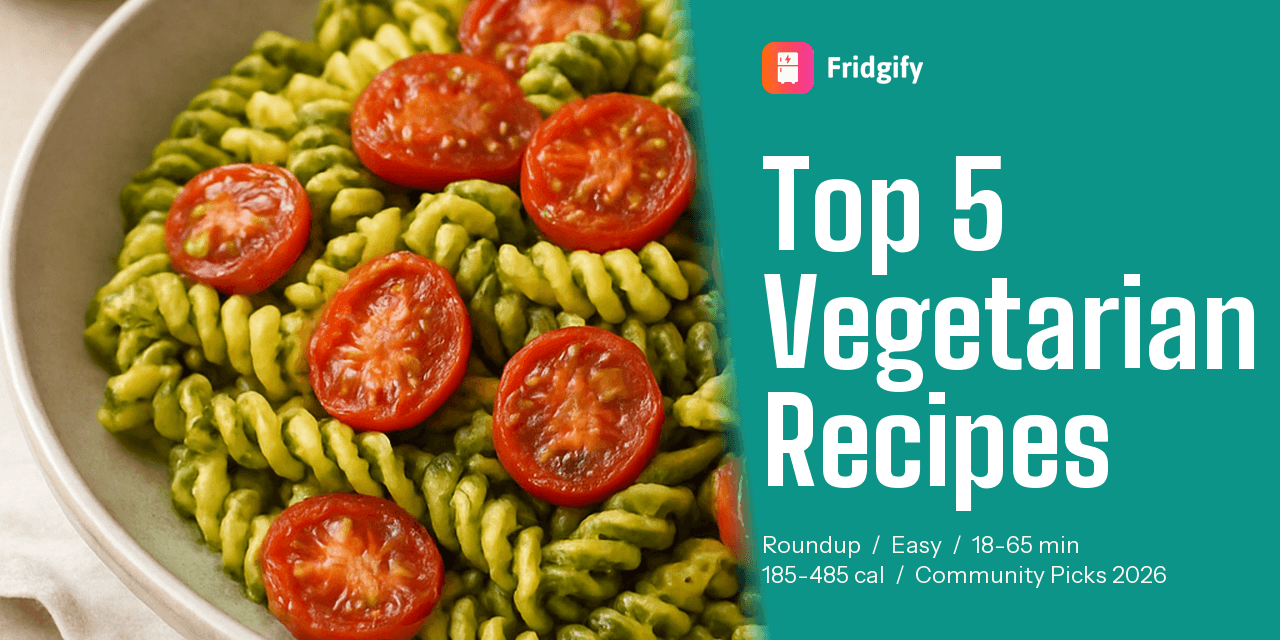
Top 5 Vegetarian Fridgify Recipes (No Meat, All Flavor)
Five top-ranked vegetarian Fridgify recipes from the past 12 months — Korean tomato-egg scramble, Vietnamese garlic potato stir-fry, kimchi fried rice with crispy tofu, soy-braised young jackfruit stew, and Middle Eastern pesto pasta.

Meet Fridgify: The AI That Turns Your Fridge Into Tonight's Recipe
Snap your fridge and get dinner ideas you can actually cook tonight. Fridgify is the ingredient-first cooking app for when you have no plan.